

Introduction
Just like a basic calculator performs four fundamental operations — addition, subtraction, multiplication, and division — the human mind also runs on a small set of core functions.
These functions aren’t visible on the surface, but they silently shape almost every thought we have — often without our awareness.
At its core, the mind operates through three primary tools:
Comparison
Labeling
Simulation (or Projection)
These tools are not inherently bad. In the external world — measurement, science, technology, and survival — they’ve been incredibly useful.
Comparison helps us evaluate choices.
Labeling helps us sort information.
Simulation helps us plan ahead.
But in the inner world — our identity and self-worth, our relationships and emotions — these same tools often become distortions.
What helps build civilizations can also quietly create our deepest suffering.
Once you see how these tools operate, you begin to notice something profound:
Much of your inner struggle is self-created.
Let’s take a closer look.
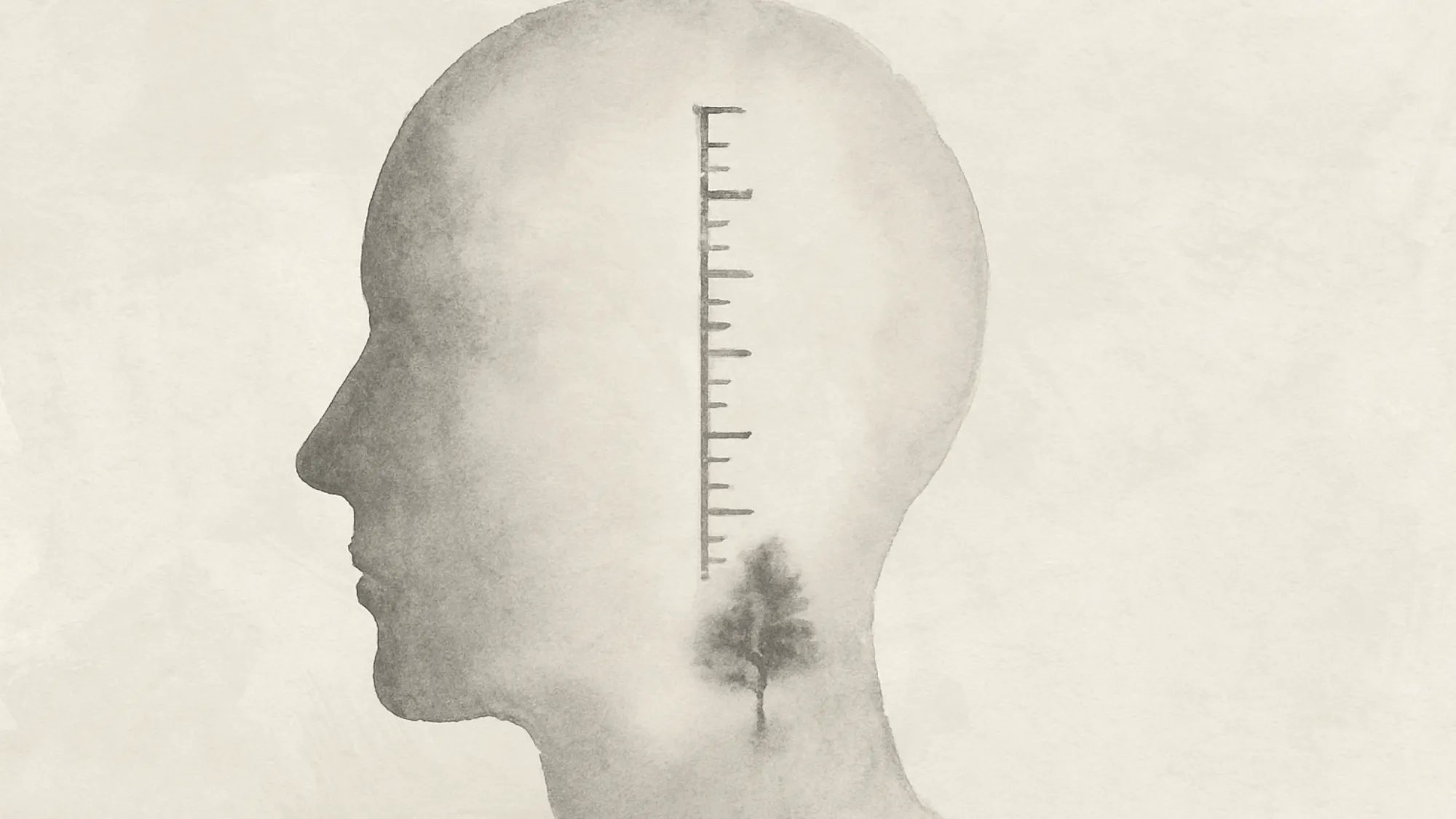
Comparison: The Tool of Strife
Spend a few minutes watching your thoughts.
You’ll quickly notice how often the mind compares.
You scroll your feed. A classmate smiles in a “New Job!” mug selfie.
We were in the same lectures. How are they already a manager while I’m still grinding?
You catch your reflection. Then scroll to an old photo — leaner, brighter, more alive.
I’ve let myself go. Will I ever feel that confident again?
Someone posts a beach photo — clear skies, ocean breeze, drink in hand.
Meanwhile, you’re reheating leftovers after another late work night.
Everyone else is living their life. Why am I stuck on repeat?
This is comparison. And it happens constantly —
People pitched against people.
One time stacked against another.
One version of life weighed against the one that could have been.
It’s the root of ambition, envy, regret, insecurity.
It makes you feel behind. Unworthy.
Like you always need to do more.
But think of this:
A tree doesn’t look at the one next to it and wish it had grown differently.
A cat doesn’t envy a bird for flying.
No scoreboard.
No race.
No “better” or “worse.”
You stop measuring.
And you feel calm.
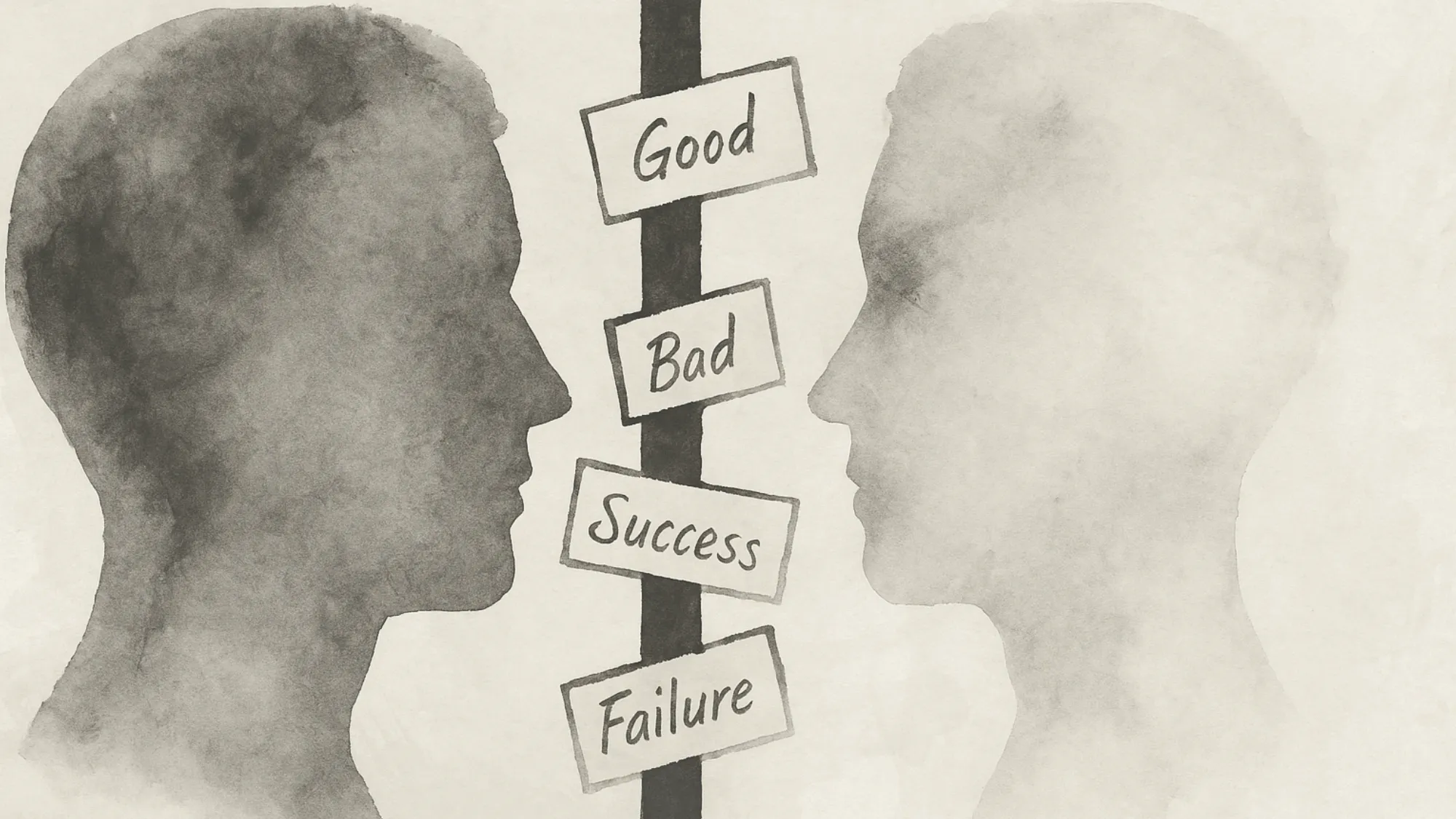
Labeling: The Tool of Separation
After comparison, the mind does something automatic: it labels.
“I wasted the morning scrolling — so lazy.”
“She snapped at me — so toxic.”
“New startup, Series A funding — total success story.”
Just like that, people become tags.
Experiences become headlines.
Feelings become judgments.
Labeling helps us move quickly — but it also flattens reality.
It takes something complex and living… and puts it in a box.
Once something is labeled, we stop looking at it.
We react to the label, not the thing itself.
We do it to others. We do it to ourselves.
“She’s difficult.”
“I’m not a people person.”
“This always happens to me.”
And the more we label, the less we see.
Without labeling, there is
No good vs. bad.
No success vs. failure.
No us vs. them.
No saint vs. screw-up.
Labeling is how we build judgment.
It’s how we create division.
And it’s how we lose touch with what’s really happening.
It’s like slapping a sticker on a flowing river — and pretending the water stopped moving.
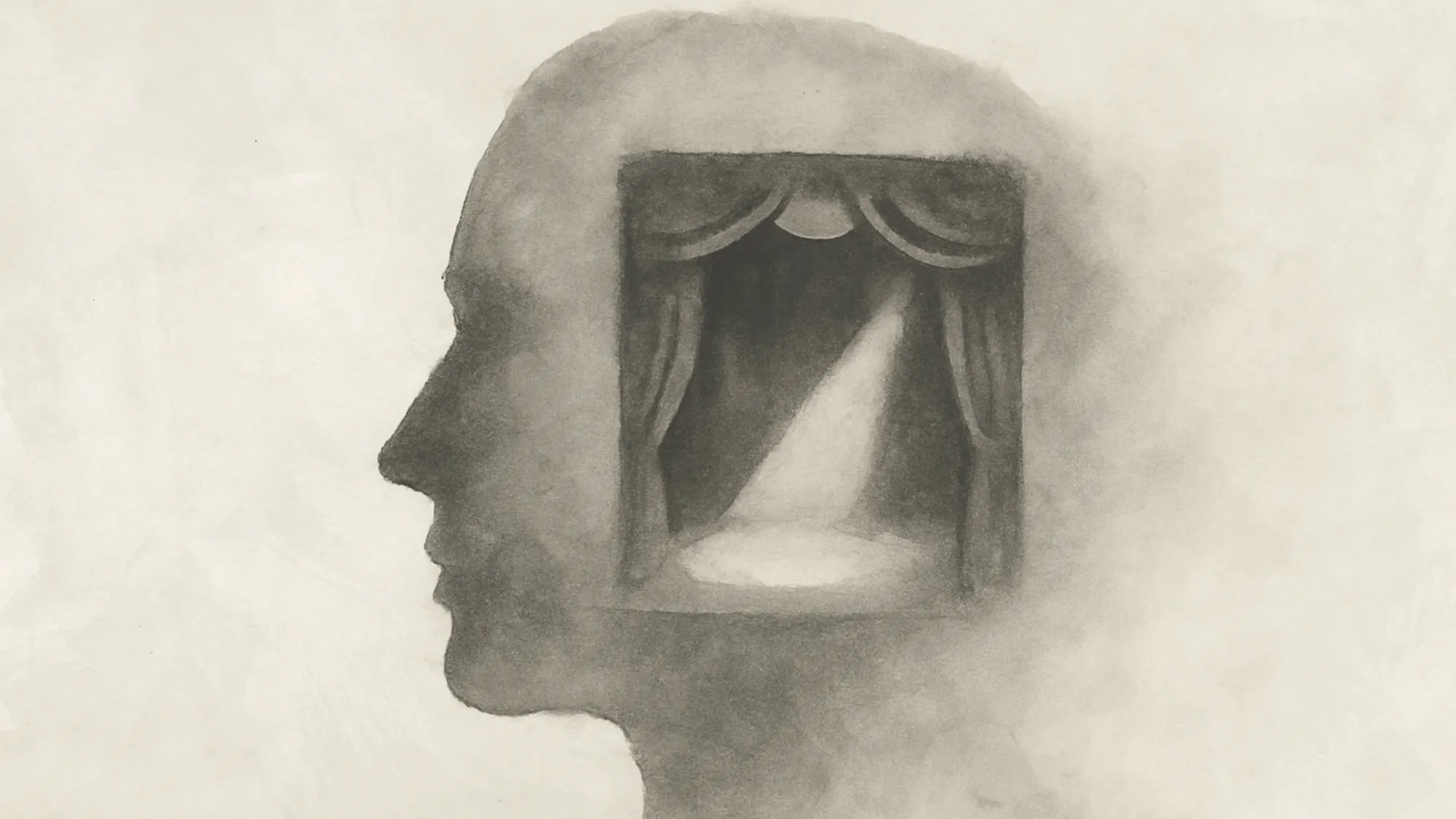
Simulation: The Tool of Mental Theater
This is the mind’s most creative — and often most exhausting — tool.
Simulation is the mind’s habit of creating stories from imagination and time. Not what’s happening now — but what could happen, should have happened, or might happen.
What if they say no? → Rehearsal
If only I had… → Regret
Imagine if it all goes wrong. → Catastrophe
Someday, when I finally… → Fantasy
These mental movies can feel useful — but often, they generate worry, guilt, and dissatisfaction with the present.
Without simulation, there would be:
No overthinking or planning loops
No daydreaming or catastrophizing
No fixation on “someday”
Possibly no religion as we know it — which often hinges on imagined futures and mythic pasts
Simulation is how the mind escapes now.
But now is all we ever really have.
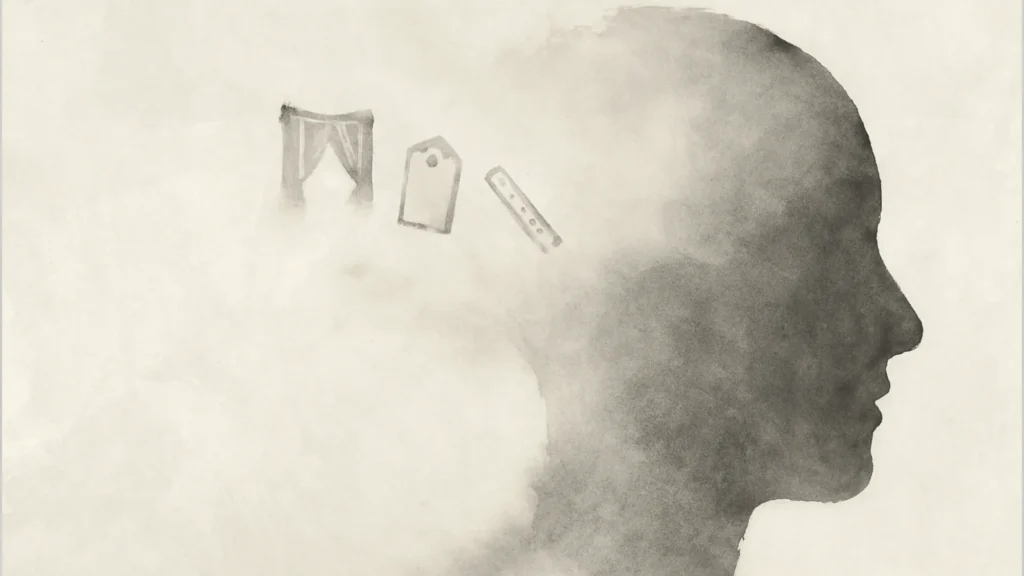
Final Thoughts: See the Tools, Step Beyond Them
These mental operations — Comparison, Labeling, and Simulation — are deeply embedded in how we function.
They help us navigate the world.
But when left unchecked, they become the source of much inner turmoil.
The key is not to suppress them — but to see them clearly.
The moment you catch it — “Ah, that’s comparison again” — you create a little distance.
A little space.
A little freedom.
You are not your thoughts.
You are the one who sees them.
And that changes everything.
Understanding the architecture of the mind is the first step to no longer being run by it.
